Buyer's Guide

Granite vs. Quartz vs. Quartzite

We fabricate all three in our Raleigh shop, so this is a working comparison — durability, maintenance, heat, and real installed cost — not a sales pitch for one material.

Side by side

The short answer, in one table.

Comparison of granite, quartz, and quartzite countertops across material properties, maintenance, and cost
PropertyGraniteQuartzQuartzite
Material type100% natural stoneEngineered (93% quartz + resin)100% natural stone
Hardness (Mohs)6 – 6.57 (resin-bound)7 – 8 — the hardest of the three
Heat resistanceExcellent — hot pans OKModerate — resin scorches, use a trivetExcellent — hot pans OK
Porosity / stainingSlightly porous — seal yearlyNon-porous — never needs sealingPorous — seal every 1–2 years
PatternSpeckled, highly variedConsistent, repeatableMarble-like veining
Outdoor useYesNo — resin yellows in UVYes
Typical installed cost$$$$$$
Best forBusy family kitchens on a budgetLow-maintenance kitchens & bathsStatement islands with marble looks

Cost shown relative: $ = most affordable installed, $$$ = premium. Ask for slab-specific pricing on your free estimate.

Material by material

What each stone is actually good at.

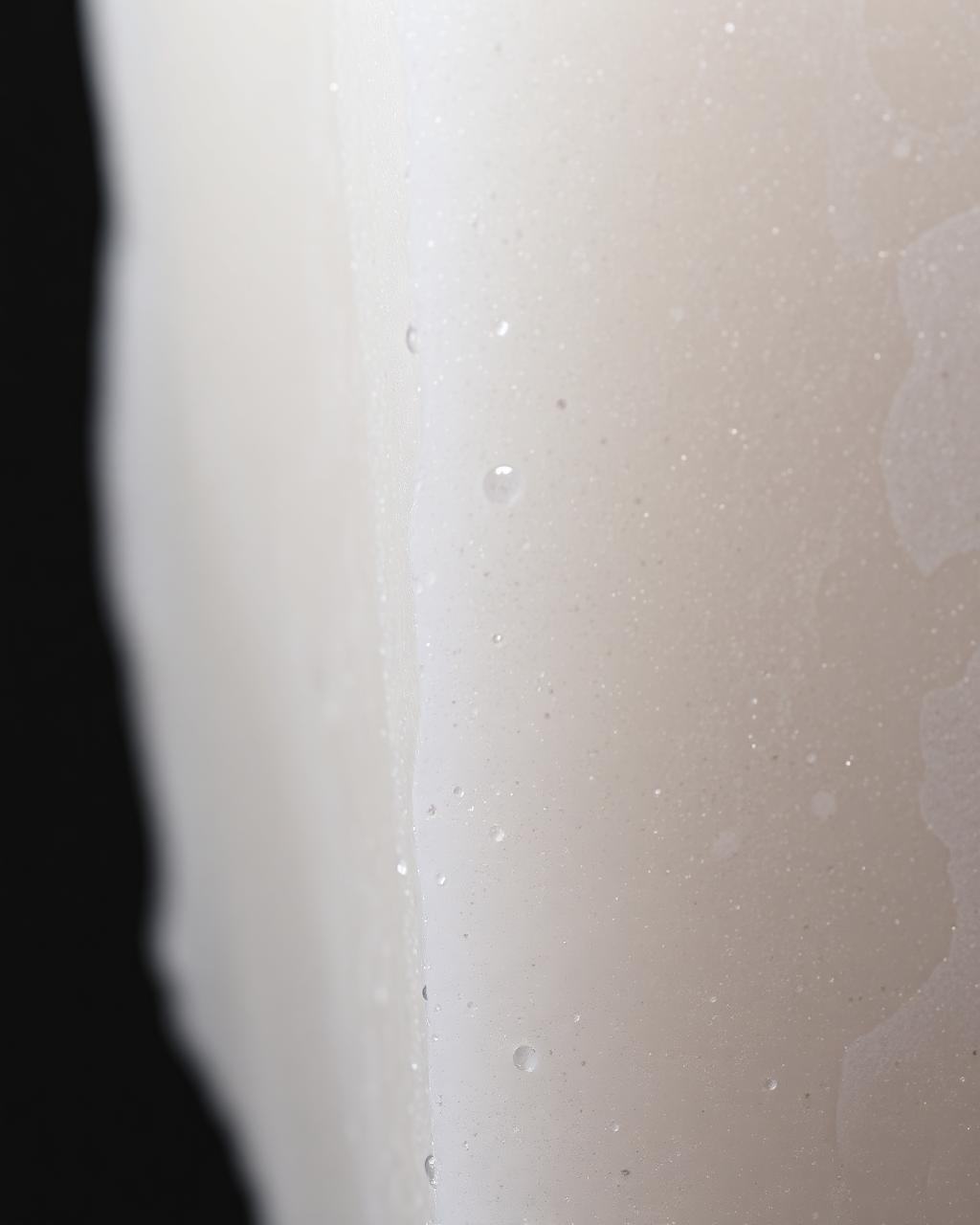
Granite countertop slab surface close-up showing pattern and finish

Granite

Natural, heat-proof, and budget-friendly.

Quarried in slabs and cut to your template in our shop, granite handles hot pans straight off the stove and hides everyday wear in its speckled pattern. It is slightly porous, so we seal it at install and recommend resealing once a year.

  • Best value per square foot
  • Takes direct heat
  • Every slab is unique
  • Needs annual sealing
  • Pattern varies slab to slab
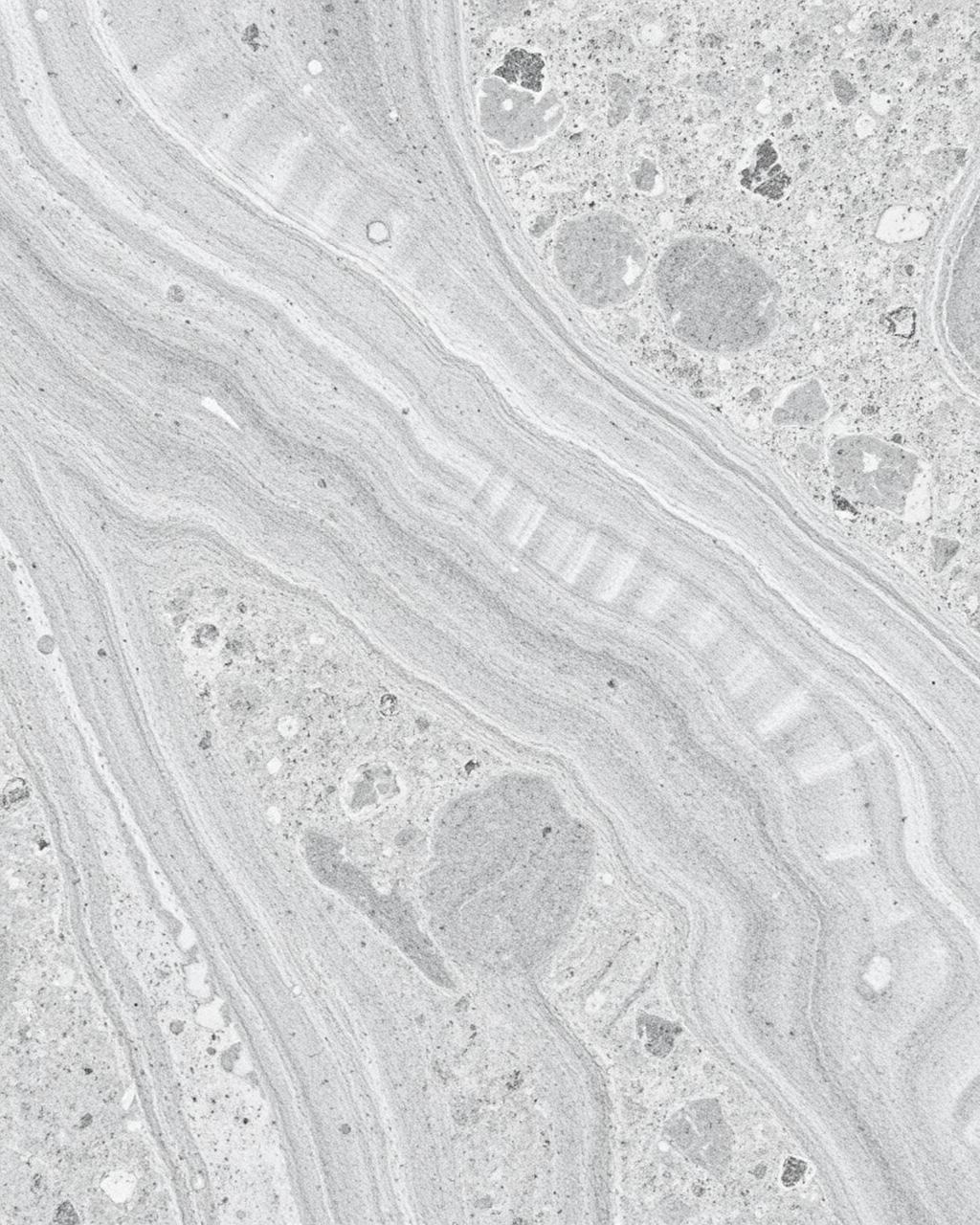
Quartz countertop slab surface close-up showing pattern and finish

Quartz

Engineered for zero maintenance.

Quartz is ground natural quartz bound with resin, which makes it completely non-porous — no sealing, no staining from wine, oil, or citrus. The tradeoff is heat: the resin can scorch, so trivets are required, and UV makes it a poor choice outdoors.

  • Non-porous, never sealed
  • Consistent color and pattern
  • Most stain-resistant option
  • Scorches under hot pans
  • Not UV-stable for outdoor kitchens
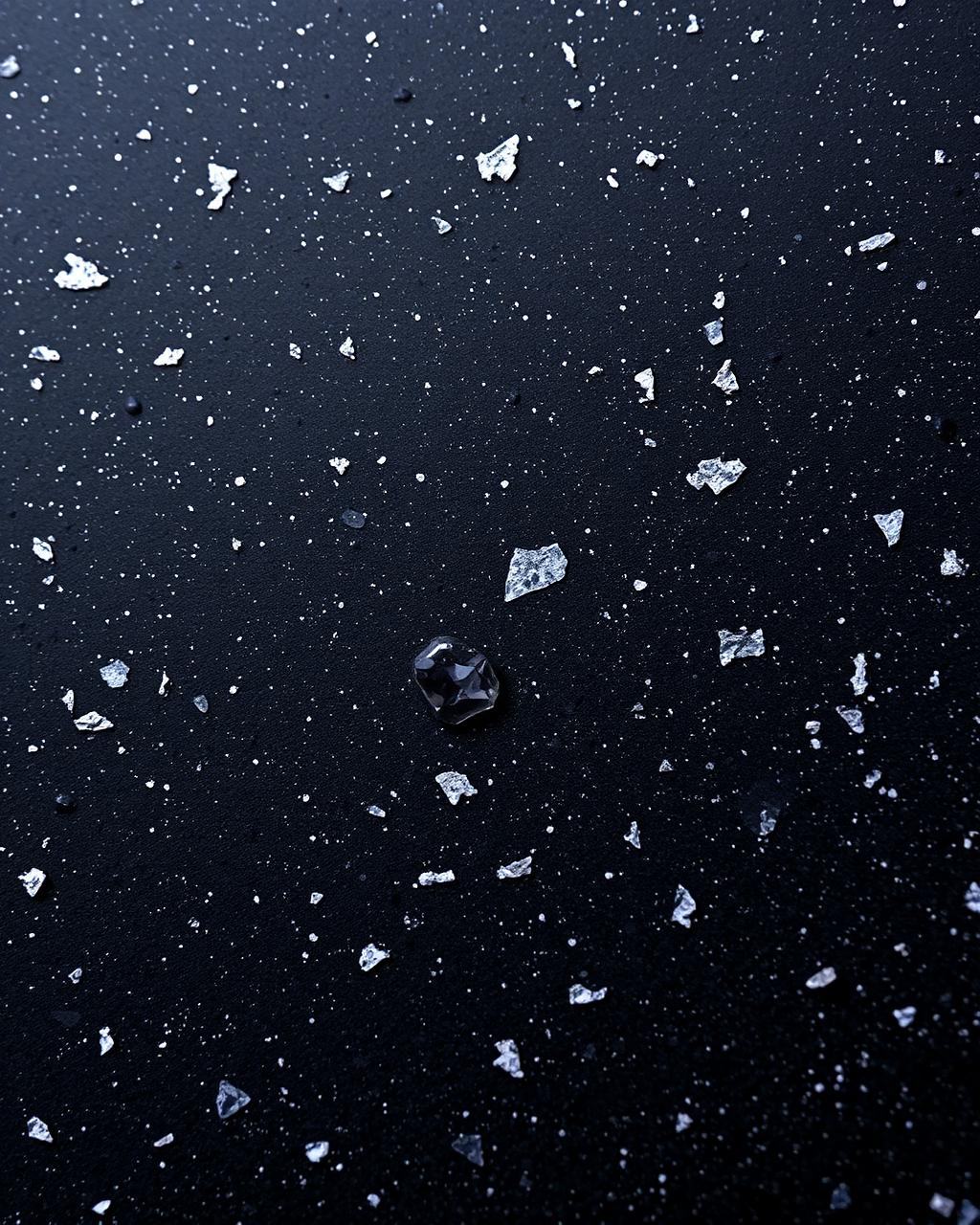
Quartzite countertop slab surface close-up showing pattern and finish

Quartzite

Marble looks, granite toughness.

Quartzite is natural sandstone recrystallized under heat and pressure — harder than granite, with the soft veining people love in marble. It is the premium pick for waterfall islands. It is porous and dense, so it takes careful fabrication and periodic sealing.

  • Hardest of the three
  • Marble-like veining without marble's softness
  • Heat and UV safe
  • Highest cost
  • Requires sealing every 1–2 years

How to choose

Pick by how you actually cook.

You cook hot and often

Granite or quartzite. Both take pans straight off the burner without scorching.

You want it maintenance-free

Quartz. Non-porous, never sealed, and it shrugs off wine, coffee, and citrus.

You want the marble look

Quartzite. The veining reads like marble but it will not etch the first time someone spills lemon juice.

FAQ

Common questions.

Which is more durable: granite, quartz, or quartzite?

Quartzite is the hardest and most scratch-resistant. Quartz resists stains best because it is non-porous. Granite is close behind on hardness and handles heat as well as quartzite. For a busy kitchen, all three outlast laminate or solid surface by decades.

Is quartz cheaper than granite or quartzite?

Granite is usually the most affordable installed, quartz sits in the middle, and quartzite is the most expensive because it is harder to cut and comes from fewer quarries. We quote exact pricing per slab during your free estimate.

Can you put a hot pan on quartz countertops?

No. The resin binder in quartz can scorch or discolor around 300°F. Granite and quartzite are natural stone and take direct heat, but we still recommend a trivet on any surface.

Does quartzite need to be sealed?

Yes — quartzite is a natural, porous stone. We seal it at installation and recommend resealing every one to two years. Granite is the same. Quartz never needs sealing.

Which stone looks most like marble?

Quartzite. Its veining is formed naturally and looks nearly identical to marble, but it is far harder and less reactive to acids like lemon or vinegar.

How long does fabrication and installation take?

About three days from digital template to install for granite, quartz, and quartzite. Everything is cut and polished in our Raleigh shop, so we are not waiting on an outside fabricator.

Keep reading

Explore our services.

Still not sure which stone?

Visit our Raleigh yard and we'll walk you through slabs in person — free estimate, 3-day turnaround.